The Evolution of Streetwear: From Subculture to a Global Language
In five decades streetwear travelled a road no other clothing culture has: from car-boot sales to a billion-euro industry, from scene code to world language. A chronicle in five chapters, including the question of what was lost along the way.
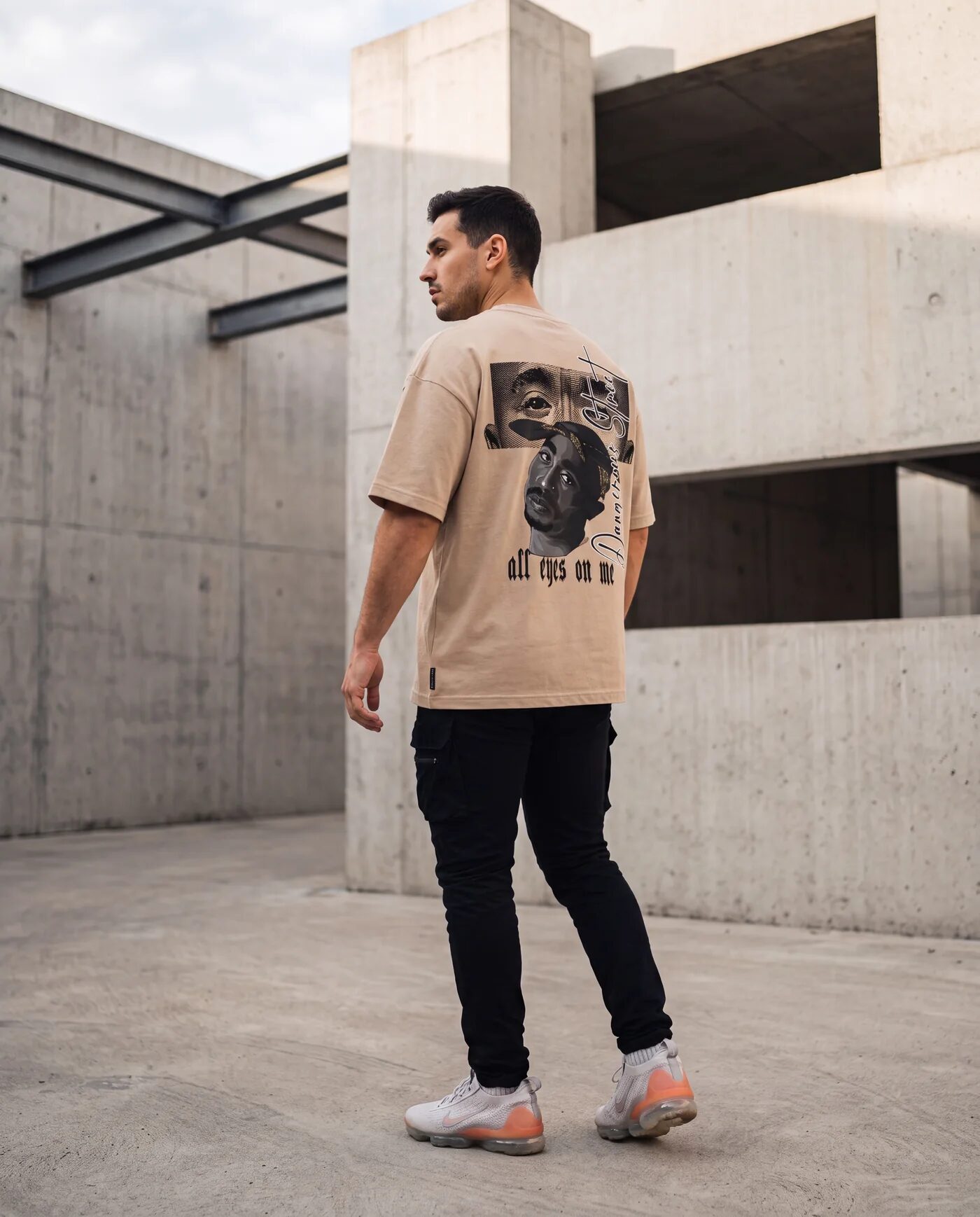
Streetwear was never only about clothes. It started as a signal: a way to show where you came from, what you believed in and how you moved through the world. To understand this culture you need to understand five shifts, and each one changed what the word means.
Chapter 1: The signal (1970s and 1980s)
Before the runways and the resale queues, there was the corner, the skate park, the record store. In Los Angeles, surf and skate shops printed t-shirts for their own scene; in New York, hip-hop turned sneakers and tracksuits into status symbols with a grammar of their own. Clothing became a recognition sign among the initiated: wearing the right shirt meant belonging, without saying a word.
What matters about this phase is what did not exist: a market. Print runs were small because the scenes were small. Scarcity, treated today as a sales tactic, was simply the reality of independent production.
Chapter 2: The codification (1990s)
In the 1990s loose scenes hardened into codes. Brands born in skateboarding and hip-hop professionalised without denying where they came from. At the same time Tokyo, above all the streets around Harajuku, built its own interpretation: Japanese labels took American codes and radically refined material and construction, giving the culture its obsession with quality. The idea that a t-shirt can be a perfectly made object is a Japanese contribution.
This is also the decade that produced the ritual that still defines the culture: the limited release, the drop, the queue outside the shop as a social event.
The queue outside the shop was never just waiting. It was proof that a community exists.
Chapter 3: The internet (2000s)
Forums, blogs and early sneaker communities cut the culture loose from geography. For the first time, someone in a small German town could follow the same drop as someone in New York. That made the scene bigger and more democratic, and it began to dissolve its local roots. Knowledge once passed on inside scenes was suddenly written up in forums. The barrier to entry fell; the speed went up.
Chapter 4: The takeover (2010s)
The 2010s made streetwear the dominant aesthetic of global fashion. Luxury houses appointed streetwear designers to their top jobs, collaborations between skate brands and fashion houses became cultural events, the hoodie reached the runway. Economically it was a coronation. Culturally it cut both ways: as the resale market turned collecting into speculating, part of the audience no longer bought to wear and belong, but to flip.
The signal that streetwear had started as risked drowning in the noise: when everyone wears the code, the code no longer signals anything.
Chapter 5: The return (2020s)
The answer to saturation came from inside the culture. Independent labels are returning to what streetwear meant before the hype: small runs out of conviction rather than tactics, material that makes the price honest, direct relationships with their own community instead of reach at any cost. Europe plays a bigger role in this phase than ever before, Germany included: a generation of labels works out of its own cities and regions without the detour through the fashion capitals.
This is the tradition we place our own work in: Dangerous Street as the loud, graphic side of the culture, NEUN as its reduced, material-driven answer, both made in limited quantities from Germany.
What remains
Five decades, five shifts, and the core is still intact: streetwear is clothing that signals something. The signs have changed and so have the wearers. But the difference between someone who wears a code and someone who understands it is the same today as it was in 1985 in the car park outside the skate shop. Culture can be bought. It cannot be shortcut.